Building a Positive Classroom Environment for Learning
- Sandy Matias
- Nov 5, 2025
- 4 min read

Creating a classroom where students feel safe, respected, and motivated is essential for effective learning. A positive classroom environment encourages students to engage actively, take risks, and develop both academically and socially. This post explores practical strategies teachers can use to build such an environment, backed by examples and clear guidance.
Why a Positive Classroom Environment Matters
Students spend a significant part of their day in school, and the atmosphere in the classroom directly affects their ability to learn. When students feel valued and supported, they are more likely to participate, ask questions, and collaborate with peers. On the other hand, a negative or chaotic environment can lead to distractions, anxiety, and disengagement.
Research shows that classrooms with positive climates see better attendance, higher academic achievement, and improved behavior. This means that investing time and effort into creating a supportive space benefits everyone—students, teachers, and the wider school community.
Setting Clear Expectations and Routines
One of the first steps to building a positive environment is establishing clear rules and routines. Students thrive when they know what is expected of them and understand the daily flow of activities.
Create simple, clear rules that focus on respect, responsibility, and kindness.
Involve students in setting these rules to increase their ownership and commitment.
Consistently apply consequences and rewards to maintain fairness.
Develop predictable routines for transitions, group work, and independent tasks to reduce confusion and anxiety.
For example, a teacher might start the year by discussing classroom norms with students, then display these rules prominently. When a student forgets a rule, the teacher calmly reminds them and guides them back on track. This consistency helps students feel secure and respected.
Building Relationships with Students
Strong teacher-student relationships are the foundation of a positive classroom. When students feel their teacher cares about them as individuals, they are more motivated to learn and behave well.
Learn students’ names quickly and use them often.
Show interest in their lives by asking about hobbies, family, or weekend plans.
Listen actively when students share their thoughts or concerns.
Provide encouragement and recognize effort, not just achievement.
For instance, a teacher might greet each student at the door with a smile and a personal comment. During lessons, the teacher can pause to check in with quieter students, ensuring they feel included. These small actions build trust and respect.
Encouraging Collaboration and Respect Among Students
A positive classroom environment also depends on how students interact with each other. Encouraging cooperation and respect helps create a community where everyone feels safe.
Use group activities that require teamwork and communication.
Teach social skills such as listening, sharing, and resolving conflicts.
Model respectful behavior in your interactions with students and colleagues.
Celebrate diversity by including materials and discussions that reflect different cultures and perspectives.
For example, a teacher might organize a project where students work in pairs to solve a problem, emphasizing the importance of listening to each other’s ideas. When conflicts arise, the teacher guides students to express their feelings calmly and find solutions together.
Creating a Physically Inviting Space
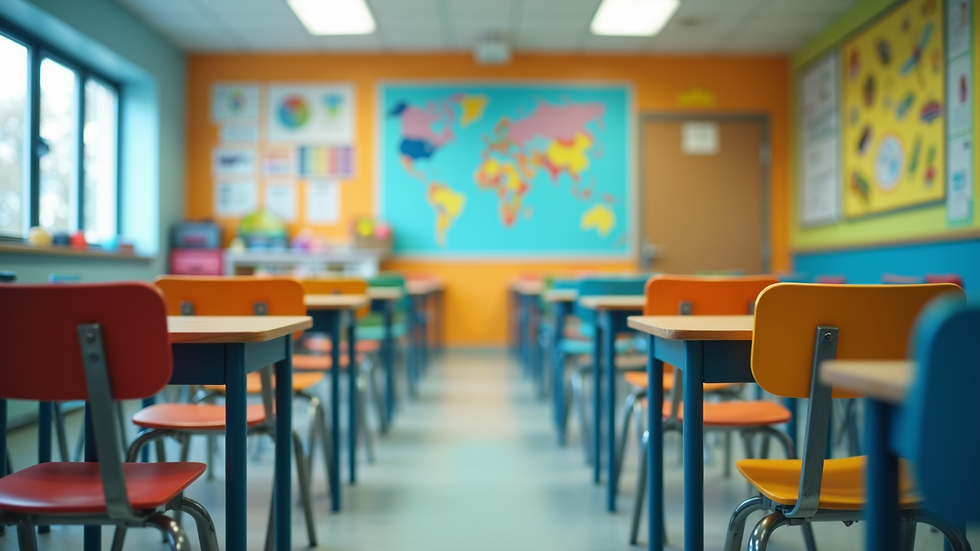
The physical setup of the classroom influences how students feel and behave. A well-organized, welcoming space can reduce distractions and promote focus.
Arrange desks to support interaction, such as circles or clusters.
Use bright, cheerful colors and display student work to create a sense of pride.
Ensure good lighting and ventilation for comfort.
Provide accessible materials so students can take responsibility for their learning.
For example, a classroom with desks arranged in a circle encourages eye contact and discussion. Walls decorated with student art and positive messages make the space feel personal and encouraging.
Using Positive Language and Feedback
The words teachers use shape students’ attitudes and self-esteem. Positive language and constructive feedback help students feel capable and motivated.
Focus on effort and progress rather than just correct answers.
Use encouraging phrases like “You’re improving,” or “I appreciate your hard work.”
Avoid negative labels or public criticism.
Give specific feedback that guides students on how to improve.
For instance, instead of saying “You made a mistake,” a teacher might say, “Let’s look at this part again and see how we can make it better.” This approach supports a growth mindset and reduces fear of failure.
Promoting Student Voice and Choice
Allowing students to have a say in their learning increases engagement and responsibility. When students feel heard, they are more invested in the classroom community.
Offer choices in assignments or projects to match interests and strengths.
Invite students to suggest topics or activities.
Hold regular class meetings to discuss concerns and ideas.
Encourage self-assessment and goal setting.
For example, a teacher might let students choose between writing a story, creating a poster, or making a video for a project. During class meetings, students can share what helps them learn best and suggest ways to improve the classroom.
Handling Challenges with Calm and Consistency
Even in the best environments, challenges arise. How teachers respond to disruptions or conflicts affects the classroom climate.
Stay calm and composed to model self-control.
Address issues privately when possible to avoid embarrassment.
Use restorative practices that focus on repairing harm and restoring relationships.
Keep communication open with students and parents.
For example, if two students argue, the teacher might separate them briefly, then bring them together to talk through the problem and agree on a solution. This approach teaches conflict resolution and maintains respect.
Supporting Emotional Well-being
Students’ emotional health is closely linked to their ability to learn. A positive classroom supports emotional well-being through empathy and support.
Recognize signs of stress or anxiety and respond with care.
Incorporate mindfulness or relaxation activities.
Create a safe space where students can express feelings.
Connect students with additional support when needed.
For instance, a teacher might start the day with a short breathing exercise to help students focus. If a student seems upset, the teacher can offer a quiet moment or a chance to talk privately.
Building a positive classroom environment takes effort, but the rewards are clear. Students who feel safe, respected, and involved learn better and develop skills that last beyond school. Teachers can create this environment by setting clear expectations, building relationships, encouraging respect, and supporting emotional health.
Try implementing one or two strategies from this post in your classroom this week. Notice how small changes can make a big difference in student engagement and happiness. A positive classroom is not just a goal—it is the foundation for meaningful learning every day.

Comments